
Mon - Sat: 7:00 - 17:00
+ 386 40 111 5555

Posts by Jody Foster

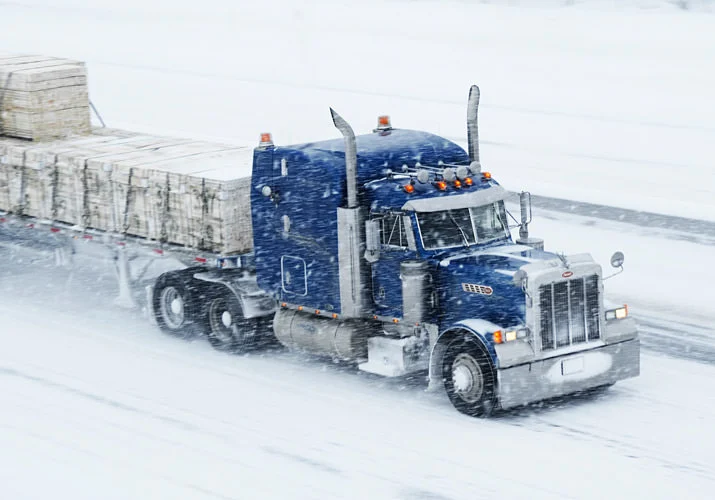
winter truck conditions

Winter Defensive Driving for Truck Drivers

Winter Defensive Driving for Truck Drivers — A Safety Priority in Quebec
Winter in Quebec brings snow, ice, freezing rain, and rapidly changing road conditions. For professional truck drivers, these conditions demand a defensive driving mindset that goes beyond just experience — it requires preparation, awareness, and adherence to provincial regulations. This guide helps you drive smarter and stay compliant during the toughest months of the year.

Why Winter Driving Demands Respect
Quebec winters are known for their severity. Ice can form in seconds, visibility can drop without warning, and traffic behaviour changes overnight. In these conditions, your best tools are patience and preparation. Defensive driving isn’t about being the fastest driver on the road — it’s about being the safest.

Understand Quebec’s Winter Driving Regulations
Winter Tires and Legal Requirements
In Quebec, winter tires are mandatory on all vehicles registered in the province — including trucks, unless exempt — from December 1 to March 15. They must be designed specifically for winter driving (marked with the winter tire pictogram or studded) and in good condition to provide traction on snow and ice.

📌 Important:

The law applies to most vehicles registered in Quebec; heavy trucks may be exempt from the winter tire mandate depending on their classification and equipment — but operators should always consider winter tires for safety, even when not legally required.
Fines for non‑compliance are typically $200 – $300.


Defensive Driving Principles for Winter Roads

  1. Slow Down Early and Often
    Simply reducing speed gives you more time to react. Slippery surfaces exponentially increase stopping distances, especially for heavy vehicles. Brake early and gently — heavy trucks take much longer to stop on ice and packed snow.
  2. Increase Following Distance
    Giving yourself more space between you and the vehicle ahead is crucial. In winter, aim for a larger gap than you would in dry conditions — this allows you to adjust smoothly if traffic slows or stops unexpectedly.
  3. Anticipate Hazards Like Black Ice
    Black ice often appears in shaded areas, on bridges, and during temperature swings. It’s almost invisible and extremely slippery. Always assume black ice is possible when temperatures hover near freezing or when roads look wet.
  4. Maintain Smooth Steering and Braking
    Avoid sudden inputs. Smooth steering and gentle braking help maintain traction and reduce the chance of skidding or jackknifing. In winter, every movement should be deliberate and controlled.
  5. Plan for Hills
    Ascending: Build momentum before the climb and avoid stopping on an incline when possible.
    Descending: Use lower gears and light, intermittent braking to control speed without overheating your brakes.
  6. Clear Your Vehicle Thoroughly
    Quebec law requires drivers to clear snow and ice from all windows, mirrors, lights, and surfaces that could reduce visibility or detach and endanger others. Failing to clear snow can lead to fines of $60 – $200 or more.
  7. Adjust to Road Maintenance Equipment
    Snowplows and road‑clearing equipment are out in force during winter. They often travel at slower speeds and have significant blind spots. Give them space and anticipate slower traffic around maintenance zones.

Pre‑Trip Preparation Makes a Difference

Winter‑Ready Inspection Checklist before heading out:

Check tire condition and pressure.
Ensure windshield washer fluid is winter‑rated.
Test defrosters, lights, and wipers.
Carry winter essentials (traction mats, shovel, blanket, etc.).
Use Weather and Road Condition Tools
Always check Quebec 511 and local weather services before departure. Adjust your route or timing if conditions deteriorate — sometimes a delayed departure is the safest choice.

Company Culture: Safety Above Schedules
Encourage drivers to communicate with dispatch when conditions change. Bad weather isn’t a reason to push harder — it’s a reason to slow down and plan ahead. Defensive driving helps protect:

-Your drivers
-Other road users
-The company’s reputation and assets

Final Thoughts
Winter driving in Quebec isn’t optional — it’s a challenge that demands respect, preparation, and defensive driving at every turn. Knowing and following local regulations, anticipating hazards, and always being ready to adapt will keep your team safer through the season.

Montreal Truck Driving Agency

Montreal SEO Company


Read more
Best CB Radio Channels and Apps for Quebec Drivers

Best CB Radio Channels and Apps for Quebec Drivers

Best CB Radio Channels and Apps for Quebec Drivers
Why It Still Matters

Even in an age of smartphones and GPS, a good CB radio setup — or a reliable communication app — remains a valuable tool for truck drivers. Whether you’re sharing road hazard info, getting alerts about weigh scales, or simply keeping connected with other drivers, knowing how to use CB channels and the right apps can make your job easier and safer.

🎯 Key CB Radio Channels to Know
Here are some of the go-to channels for truckers in Quebec and Canada:

Channel 19: Commonly used by truckers to share traffic conditions, road hazards, etc. RadioReference.com Forums+3president-electronics.us+3Stryker Radios+3
Channel 10: Often used for communication with weigh stations or inspection points. Stryker Radios
Channel 12: Mentioned by some Quebec drivers as a local/Francophone channel. RadioReference.com Forums+1
Channel 9: Reserved for emergencies. Stryker Radios+1
Extra tip: Make sure your CB radio is properly installed, your antenna is well-tuned, and your squelch/gain controls are set so you can effectively hear and transmit.

📱 Useful Apps for Truckers in Quebec
Here are some apps that complement (or substitute) CB radios, especially useful when you’re on the road in Quebec:

Trucker Path – Excellent for finding truck stops, parking, weigh stations, fuel, and route planning across Canada. Apple+1
CB TALK – A mobile app that mimics CB-style communication over the internet. Handy if your CB signal is weak. Google Play+1
Plus: Other apps focused on weather alerts, truck-specific maps, documentation and more. Len Dubois Trucking
🧭 How to Use Both Together
Use your CB radio for immediate, local communication with drivers around you (especially useful for real-time road hazards).
Use apps like Trucker Path to plan your route, locate services, check weigh stations, etc.
Use a CB-style app when you have good internet connectivity and want to communicate longer distance or with drivers outside your immediate area.
Final Thoughts
Whether you rely more on a traditional CB radio or lean into smartphone apps (or both), knowing the right channels and useful tools can help you stay safer, more informed, and connected on Quebec highways. For truckers in Quebec, combining old-school CB with modern tech is a smart strategy.

Montreal Truck Driving Agency

Montreal SEO Company

Read more
Better Options than fast food

Better Options Than Fast Food for Truckers

Better Options Than Fast Food for Truckers

Long hours on the road can make fast food very tempting—but there are better options for drivers on Highways 20 and 40 in Quebec. With a little planning, you can choose fresh, convenient meals that keep you energized, alert, and fit during your commute. Here’s your handy guide to eating well on the road.

Rest areas with better options
Not all rest areas are created equal. While burgers and fries are ubiquitous, several stops now offer healthier and fresher options :

Ultramar, Petro-Canada, Irving – Many have convenience stores offering fresh cut fruit, ready-to-eat vegetables, yogurt, nut mixes, or even rotisserie chicken and ready-to-go salads.
Canadian Tire Market Sections – Some locations offer sandwiches, wraps and hard-boiled eggs for a quick protein boost.
Fast but healthier restaurants
If you’re looking for a quick meal or takeaway, these options often offer lighter menus:

Subway, Freshii or Panera-style cafes – Salads, wraps and whole grain bowls.
Local cafes – Often offering options like oatmeal, eggs, smoothies, and fresh sandwiches.
Grocery stores / deli counters – Pre-packaged salads, quinoa bowls, fruit and yogurt easy to grab before hitting the road again.
Convenient takeaway meals in the truck
Preparing your own meals can save you money and help you eat healthily:

Overnight oats in a Mason jar – Mix oats, milk, fruit and chia seeds.
Vegetable wraps or sandwiches – Wholemeal bread with lean protein such as turkey, chicken or tuna.
Mixed nuts and dried fruit – Ideal for snacking, but be careful with portions.
Greek yogurt or cottage cheese – Add fruit for a satisfying snack.
Protein bars or shakes – Choose low-sugar options for long journeys.
Stay well hydrated on the road
Keep a reusable water bottle in your cabin.
Avoid too many sodas or energy drinks, which can cause sugar spikes and energy crashes.
Herbal teas or flavored waters are excellent alternatives.
Preparation tips for drivers
Small cooler – Keep fruit, salads, hard-boiled eggs and yogurt fresh.
Microwave or 12V slow cooker meals – Soup, chili and lean protein with vegetables, easy to prepare.
Snack boxes – Carrots, celery, nuts or rice cakes to keep you fed between stops.
Quick and healthy options on the 20 & 40

Quick Healthy Options on the 20 & 40

TypeExamples
Truck Stop ConvenienceFresh fruit cups, yogurt, boiled eggs, wraps
Fast CasualSubway salads/wraps, Freshii bowls
Supermarkets / GroceriesSalads, grain bowls, hummus with veggies
On-the-Road SnacksNuts, protein bars, fruit, jerky (low sodium)

Eating healthy on the road doesn’t have to be hard. With a little planning and awareness of your stops along the 20 and 40, you can skip the fast-food trap, save money, and keep your energy levels high for those long stretches behind the wheel.

Montreal Truck Driving Agency

Montreal SEO Company

Read more
Is it hard Being a truck driver?

Is it Hard Being a Truck Driver?

Is it hard being a truck driver? When people imagine life as a truck driver, they often picture endless highways, freedom, and the open road. While that’s part of the story, the reality is more complex. Truck driving is one of the most important jobs in the economy, but it’s also one of the toughest. So, is it hard being a truck driver? The short answer is: yes — but it can also be incredibly rewarding.

Let’s break it down.


🛑 The Challenges of Truck Driving

1. Long Hours and Fatigue

Truck drivers routinely work 10 to 14-hour days. Even with strict rules on rest periods, fatigue is one of the biggest risks in the industry. Irregular sleep schedules, overnight hauls, and pressure to meet deadlines can wear drivers down both physically and mentally.

2. Time Away from Home

For long-haul drivers, being away for days or even weeks at a time is normal. This means missing family milestones, holidays, and daily life with loved ones. Many truckers say this is the hardest part of the job.

3. Stressful Conditions

Drivers deal with heavy traffic in cities like Montreal or Toronto, unpredictable weather, tight delivery windows, and sometimes difficult shippers or receivers. Add in the responsibility of hauling thousands of pounds of freight safely, and it’s easy to see why stress levels can run high.

4. Physical Demands

Although much of the day is spent sitting, trucking is not easy on the body. Long hours behind the wheel can cause back problems, poor circulation, and fatigue. In some cases, drivers also need to help load or unload, which can mean working outdoors in harsh conditions.

5. Rules and Responsibility

Truckers must navigate complex regulations around hours of service, safety inspections, and logbooks. Mistakes can lead to fines, points on a licence, or worse — accidents. The responsibility is huge.


🌟 The Rewards of Truck Driving

Despite the challenges, many drivers stay in the industry for decades. Why? Because trucking has some powerful upsides.

1. Independence on the Road

For many, the best part of trucking is the independence. Once you’re behind the wheel, it’s just you, the truck, and the open road — no boss looking over your shoulder every minute.

2. Travel and Scenic Views

Few jobs let you see so much of the country. Whether it’s watching the sunrise over the prairies, driving through the mountains, or catching the fall colours in Quebec, truckers experience sights most people never will.

3. Steady Pay and Job Security

Trucking is always in demand. In Quebec and across Canada, there’s a shortage of drivers, which means job security and competitive pay. Experienced Class 1 drivers can earn a strong living, with opportunities to move into specialized or owner-operator roles.

4. Community and Camaraderie

Truckers have a unique community. From truck stops to CB radios to online forums, there’s a strong bond among those who share the lifestyle. Many drivers say they’ve made lifelong friendships on the road.

5. Pride and Skill

Driving a big rig safely and professionally takes serious skill. Not everyone can handle it, and that’s something to be proud of. For many, trucking isn’t just a job — it’s a craft and a lifestyle.


✅ Final Thoughts

So, is it hard being a truck driver? Absolutely. The long hours, time away from family, and constant responsibility make it a challenging career. But for those who love the road, the freedom, and the pride that comes with the job, trucking can also be one of the most rewarding careers out there.

👉 It’s not just a job — it’s a lifestyle.

Montreal Truck Driving agency

Montreal SEO Company

Read more
When to refuse a load as a truck driver

When to Refuse a Load as A Truck Driver

When to Refuse a Load: Safety and Legal Rights in Quebec Transport Law

For truck drivers in Quebec, saying “no” to a load is never easy. Pressure from dispatchers, tight schedules, and the fear of lost income often push drivers to accept work, even when conditions aren’t right. But under Quebec transport law and workplace standards, drivers have the legal right—and responsibility—to refuse unsafe work.

Here’s what every Class 1 driver needs to know about when and how to refuse a load.


⚖️ Your Right to Refuse Unsafe Work (CNESST)

In Quebec, the CNESST (Commission des normes, de l’équité, de la santé et de la sécurité du travail) protects workers’ rights. This includes truck drivers.

You have the right to refuse a load if you believe that:

  • It endangers your health or safety, or that of others.
  • It violates transport laws (e.g., overweight, improperly secured cargo).
  • It would force you to break hours-of-service rules, risking fatigue or legal penalties.

👉 Legally, your employer cannot penalize or fire you for refusing a load under these conditions.


🛑 Situations Where Refusing a Load Is Justified

  1. Overweight or Improperly Loaded Cargo
    • If the load exceeds legal weight limits or isn’t secured properly, you’re at risk of fines, points on your licence, and dangerous accidents.
  2. Hours-of-Service Violations
    • Quebec follows federal and provincial HOS rules. If a dispatch would push you over your hours, you must refuse. Fatigue-related accidents can be deadly—and liability falls on you.
  3. Unsafe Vehicle Conditions
    • Mechanical issues (brakes, tires, lights, etc.) must be reported and fixed. Driving an unsafe truck can lead to severe fines, liability, and even criminal charges.
  4. Severe Weather Conditions
    • Ice storms, whiteouts, or flooding can make driving dangerous. Professional judgment matters: pushing through can risk lives.
  5. Health and Fitness for Duty
    • If you are ill, fatigued, or impaired (by medication, for example), you are legally obligated to refuse to drive.

🧾 How to Protect Yourself When Refusing

  • Document the refusal: Write down the date, time, load details, and the reason you considered it unsafe.
  • Report to your supervisor or dispatcher immediately, and keep the communication professional.
  • Reference CNESST rights or HOS regulations if questioned.
  • Keep copies of written communications (texts, emails, notes) in case of disputes.

🚦 Consequences for Employers

Employers who pressure drivers into unsafe work may face:

  • CNESST complaints and penalties.
  • Heavy fines under the Highway Safety Code for overweight/unsafe loads.
  • Liability in case of accidents or injuries.

Dispatchers and carriers are legally obligated to support a driver’s decision to refuse unsafe work.


✅ Key Takeaway

As a professional driver in Quebec, your licence, safety, and livelihood are always on the line. Refusing a load may feel uncomfortable in the moment, but the law is on your side. Whether it’s overweight freight, hours-of-service limits, or dangerous weather, remember:

👉 If it’s unsafe, you not only have the right to refuse—you have the duty to refuse

Montreal Truck Driving Agency

Montreal SEO Company

Read more
Women behind the wheel

Women Behind the Wheel

Women Behind the Wheel: Trucking as a Woman in Quebec

For decades, trucking has been seen as a male-dominated industry — but that’s quickly changing. More and more women in Quebec are stepping into the driver’s seat, proving that trucking is a career where skill, resilience, and determination matter far more than gender.

Breaking Barriers on the Road

Women in trucking face unique challenges, from being underrepresented in the workforce to dealing with outdated stereotypes. Yet, every year more female drivers are obtaining their Class 1 licenses in Quebec, showing that the road is open to everyone who is ready for the lifestyle and responsibility that comes with the job.

Why Women Choose Trucking

Many women are drawn to trucking for the same reasons as men:

  • Good earning potential compared to other industries.
  • Independence and freedom — life on the open road appeals to those who value autonomy.
  • Job security, with Quebec’s strong demand for professional drivers.
  • Travel opportunities, getting paid to see new places across the province and beyond.

The Challenges Female Truckers Face

While progress is being made, women still encounter obstacles:

  • Facilities and safety: Truck stops and rest areas aren’t always designed with women in mind.
  • Perception and respect: Some drivers report being underestimated by colleagues or shippers.
  • Work-life balance: Long-haul trucking can make family responsibilities harder to juggle.

Despite these challenges, Quebec companies are starting to take notice of the value women bring to the industry. Many fleets actively promote diversity and inclusion, offering mentorship and support programs to recruit and retain more female drivers.

Building a Community on the Road

Women truckers in Quebec often form strong networks, both online and offline, to share tips, safety advice, and encouragement. Groups like Women in Trucking and local industry associations are working to highlight success stories and provide resources for women considering a trucking career.

Final Thoughts

Trucking in Quebec is not just a man’s world anymore — it’s an industry where women are carving out space and thriving. Whether you’re delivering across Montreal, hauling freight to Ontario, or crossing into the U.S., women behind the wheel are proving daily that determination and professionalism make the best drivers, not gender.

Montreal Truck Driving Agency

Montreal SEO Company

Read more
Truck driving in bad weather

Truck Driving in bad weather

Truck Driving in Bad Weather

Truck driving in bad weather is a serious challenge — especially in places like Quebec and Ontario, where snow, black ice, and sudden whiteouts are all part of the job. Whether you’re hauling freight across provinces or making short runs, knowing how to stay safe and follow the right policies is key to protecting yourself, your load, and others on the road.


🌨️ 1. Safety First — Always

Professional drivers are not expected to push through unsafe conditions. If visibility drops or roads become too slick, you have the right to delay or stop until it’s safe. According to federal and provincial regulations, driver judgment is the final word when it comes to safety.

If you need to pull over:

  • Choose a safe, legal location (truck stop, rest area).
  • Communicate with dispatch as soon as possible.
  • Document the delay if needed — a quick photo or timestamp can go a long way.

📡 2. Stay in Touch with Dispatch

Bad weather can change rapidly, and so should your game plan. If your route, ETA, or safety is affected:

  • Contact dispatch right away.
  • Keep them updated at regular intervals.
  • Share location and road condition details to help with planning.

🛑 3. Adjust Speed & Spacing

Slow down by 30–50% in snow, rain, or fog, and increase following distance to 7–10 seconds. Use low beams in fog or heavy snow. Arriving late is better than not arriving at all.


🧰 4. Be Winter-Ready

Check that your truck has:

  • Winter tires (mandatory in Quebec Dec. 1 – Mar. 15)
  • Working wipers, defrosters, and lights
  • Full washer fluid
  • Emergency supplies: food, blankets, flashlight, flares, traction aids

Chains may be needed depending on region and conditions.


🕒 5. HoS Flexibility

Under Canada’s “adverse driving conditions” exception, drivers may extend hours of service by up to 2 hours to reach safety. Use this carefully and always log it.


🚫 6. Know When to Stop

Stop driving if:

  • Winds exceed 70–80 km/h (especially with empty or tall trailers)
  • Visibility drops below 100m
  • Roads are icy or untreated

If it’s unsafe, pull over in a safe spot and let dispatch know.


🚨 7. In Case of an Incident

If something happens:

  • Ensure safety
  • Contact emergency services and dispatch
  • Record weather, road, and location info
  • Take photos if possible

🧼 8. Winter Pre-Trip Checks

Before you hit the road, inspect:

  • Lights
  • Tires
  • Air lines
  • Heat/defrost
  • Mirrors and wipers

🎓 9. Keep Up Your Skills

Take annual winter driving refreshers — online or in person — to stay confident and up to date.


Final Thoughts

Bad weather doesn’t cancel trucking, but it changes how you do it. With the right precautions, clear policies, and a focus on safety, drivers can stay protected all winter long. Know your limits, plan ahead, and don’t take risks.

www.acftransportaide.ca

www.oceanmarketing.net

Read more
Why more young people should consider a career in Trucking?

Why More Young People Should Consider a Career in Trucking

Why more young people should consider a career in Trucking? For years, trucking has been misunderstood—often viewed as a tough, outdated job. But in Quebec, the reality is quite different. With rising tuition fees, a competitive job market, and a growing demand for essential services, trucking offers young people a stable, well-paying, and surprisingly modern career path. Whether you live in Montréal, the Laurentians, Saguenay, or the Eastern Townships, becoming a truck driver can open doors faster than most professions—and with much less debt.

One of the biggest advantages is financial. In Quebec, you don’t need a university degree to earn a strong salary. All you need is a Class 1 driver’s license, which qualifies you to drive heavy vehicles like tractor-trailers. The training takes about 3 to 5 months, often through one of the province’s recognized public training centres such as CFTR (Saint-Jérôme), CFTC (Charlesbourg), or CFP de Verdun. Many of these programs are subsidized, and some are eligible for loans and bursaries under Quebec’s Aide financière aux études program. Once licensed, new drivers can earn between $50,000 and $70,000 a year—sometimes more with long-haul or specialized work. That’s a real alternative to starting life with student loans and years of schooling.

Speed to employment is another huge benefit. The trucking industry in Quebec is in urgent need of drivers, especially as many older workers retire and trade sectors grow. Because of this, job placement after training is typically quick—many employers recruit directly from training programs. The Commission des transports du Québec (CTQ) also actively monitors safety and licensing, making it a professionalized and regulated industry that supports long-term career growth. For young people, this means you can start working—and earning—a real salary in less than half a year.

Another reason trucking appeals to many is the freedom it offers. For those who don’t want to be stuck in an office or factory, life on the road can offer a unique kind of independence. You’re in charge of your rig, responsible for your deliveries, and often working flexible hours depending on your route. In Quebec, you can work within the province, across Canada, or even take cross-border routes into the U.S., depending on your language skills and preferences. Being bilingual (French/English) is a major asset, especially for companies that operate interprovincially or internationally.

The job security in Quebec’s trucking sector is hard to beat. Truckers are part of the essential workforce. Whether it’s groceries, building materials, medical supplies, or machinery, Quebec’s economy relies on its road transport network—and it’s only growing. According to Camo-route, Quebec’s transportation industry council, the shortage of qualified truck drivers is expected to worsen over the next decade, meaning even more opportunities for stable, long-term employment.

Trucking in 2025 is also more modern than people think. Trucks today are equipped with smart GPS systems, digital logbooks, real-time monitoring tools, and comfortable ergonomic cabins. Drivers are no longer isolated from technology—they’re using it every day to optimize routes, monitor safety, and stay connected. In fact, many trucking companies in Quebec now provide on-board tablets, fuel-saving analytics, and digital scheduling platforms.

Trucking isn’t a dead-end job either. Many drivers in Quebec go on to become trainers, dispatchers, fleet managers, or owner-operators. If you’re entrepreneurial, you can eventually start your own transport company, manage contracts, or specialize in areas like refrigerated transport or hazardous materials (with extra certification). The potential to grow is real—and recognized by industry associations like the Association du camionnage du Québec (ACQ), which offers continuing education and advocacy for driver development.

Lastly, trucking offers something few jobs do: a sense of purpose. Quebec truck drivers literally keep the province running. They move goods to isolated northern communities, deliver time-sensitive shipments to hospitals, and ensure supply chains run smoothly for businesses and families. During the pandemic, truckers were on the front lines—recognized for their vital role in keeping shelves stocked and hospitals supplied.

It’s time to rethink what a career in trucking really means—especially in Quebec. It’s not a fallback job or a temporary fix. For many young people, it’s a smart, reliable, and meaningful way to build a life, start earning early, and develop a skill set that’s in demand everywhere. With competitive pay, government-supported training, modern vehicles, and the promise of long-term employment, truck driving should be a serious career consideration—not a last resort, but a first choice.

Montreal Truck Driving Agency

Montreal SEO company

Read more
The effects of US tariffs on the trucking industry

The Effects of US Tariffs on the Trucking Industry

The effects of U.S. tariffs on the trucking industry—especially those affecting vehicles, auto parts, and materials like steel and aluminum—have had several major consequences on the trucking industry. Here’s a breakdown of the key impacts:


🚛 1. Higher Truck Purchase and Maintenance Costs

  • Tariffs on imported steel, aluminum, and truck parts have driven up manufacturing costs.
  • According to the American Trucking Associations (ATA), the price of a new truck could increase by $20,000–$35,000 due to tariffs.
  • This hits small and mid-sized carriers the hardest, potentially delaying their fleet upgrades or expansions.

📉 2. Reduced Freight Volume

  • Trade wars (e.g., U.S.–China) and retaliatory tariffs have decreased international shipping demand.
  • Lower import/export volumes mean fewer cross-border loads, especially for long-haul carriers near ports or borders.
  • Industries hit by tariffs (e.g., agriculture, automotive) reduce shipments, creating a trickle-down effect on trucking.

🔧 3. Disruptions in Parts Supply Chains

  • Tariffs on Chinese-made or foreign vehicle components have disrupted supply chains.
  • Trucking companies face longer wait times and higher prices for repairs and replacement parts.
  • This can result in downtime for trucks, cutting into revenue.

📊 4. Market Uncertainty and Slower Investment

  • Ongoing tariff changes create instability, making it harder for carriers to plan ahead.
  • Fleet expansions, hiring, and long-term contracts may be delayed due to the unpredictable cost structure.
  • OEMs (original equipment manufacturers) like Volvo or Freightliner may also slow production or shift sourcing strategies.

💼 5. Pressure on Profit Margins

  • Carriers can’t always pass rising costs onto customers, especially in competitive markets.
  • Many are forced to absorb the increased costs, leading to narrower margins.
  • Small owner-operators may be forced to exit the industry or consolidate.

🌍 Bonus: Impact on Cross-Border Trade

  • Tariffs affect Canada–U.S. and Mexico–U.S. trade, which heavily relies on trucking.
  • Companies engaged in NAFTA/USMCA-related freight may see volume reductions or added compliance costs.

Montreal Truck Driving Agency

Montreal SEO Company


Read more
The Effects of Driver Stress on Road Safety

The Effects of Driver Stress on Road Safety

The Effects of Driver Stress on Road Safety

Stress is a major factor affecting road safety, especially for truck drivers who spend long hours on the road under high-pressure conditions. Chronic stress can impair judgment, reaction time, and overall driving performance, increasing the risk of accidents. Here’s how driver stress impacts road safety:

1. Reduced Focus and Increased Distractions

  • High stress levels can lead to mental fatigue, making it harder for drivers to stay alert and focused on the road.
  • Stress can cause cognitive overload, leading to poor decision-making and slower reactions to sudden road hazards.
  • Distracted driving, such as thinking about personal issues or work pressures, increases the likelihood of missing traffic signs or failing to anticipate dangerous situations.
  • Stress often leads to sleep disturbances, causing chronic fatigue. Sleep-deprived drivers are more prone to microsleeps—brief moments of unconsciousness that can be deadly at high speeds.
  • Fatigue slows reaction time and reduces a driver’s ability to make split-second decisions, which is critical for avoiding collisions.
  • Long-haul truckers facing tight delivery deadlines may push themselves beyond safe driving limits, increasing exhaustion and accident risks.

3. Aggressive Driving Behavior

  • Stress can lead to irritability and frustration, making drivers more likely to engage in road rage or aggressive driving behaviors, such as tailgating, speeding, or abrupt lane changes.
  • Drivers under stress may become less patient with other motorists, leading to risky maneuvers and a higher likelihood of collisions.

4. Poor Decision-Making and Judgment

  • Chronic stress impairs cognitive function, leading to poor risk assessment.
  • Stressed drivers may take more risks, such as running red lights, making unsafe lane changes, or ignoring safety regulations to meet deadlines.

5. Increased Health Issues Leading to Emergency Situations

  • Stress contributes to high blood pressure, heart disease, and anxiety, which can lead to sudden medical emergencies while driving (e.g., heart attacks or panic attacks).
  • These health-related incidents can cause drivers to lose control of their vehicles, endangering themselves and others on the road.

Solutions to Reduce Stress and Improve Road Safety

  1. Better Work Schedules – Enforcing reasonable hours and mandatory rest breaks to prevent driver fatigue.
  2. Mental Health Support – Providing truck drivers with access to stress management programs, counseling, and wellness initiatives.
  3. Technology Integration – Using driver-assistance systems (ADAS) to reduce cognitive load and improve reaction times.
  4. Encouraging a Healthy Lifestyle – Promoting physical activity, proper nutrition, and sufficient sleep for drivers.
  5. Better Industry Regulations – Ensuring fair pay, reducing excessive pressure on drivers, and enforcing compliance with safety standards.

Conclusion

Driver stress is a serious risk factor for road safety, contributing to fatigue, poor judgment, and aggressive driving. Addressing stress through improved working conditions, mental health support, and technology can help create safer roads for everyone.

Montreal Truck Driving Agency

Montreal SEO Company

Read more